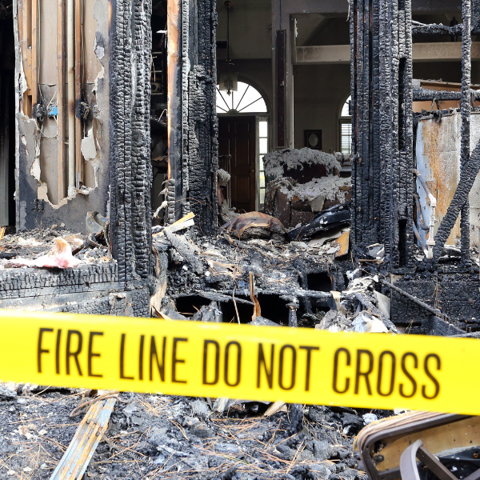
After a house fire, most homeowners focus on immediate safety—and rightly so. But once the fire is out and everyone is safe, the decisions you make next can significantly affect your financial recovery.
Understanding when to involve a public adjuster after a fire can help protect your insurance claim, avoid costly mistakes, and ensure the full scope of damage is properly addressed.
Handle Immediate Safety First
Before any insurance decisions are made, confirm that all family members and pets are safe and seek medical care if needed. Do not re-enter your home until local fire officials confirm it is safe to do so.
Even after clearance, fire-damaged homes may contain:
-
Structural instability, including weakened framing, compromised roofs, or damaged load-bearing walls that may not be immediately visible
-
Toxic soot and smoke residue, which can linger in walls, insulation, and HVAC systems, and pose long-term health risks
-
Water damage from firefighting efforts often affects flooring, drywall, and electrical systems beyond the burned areas
Once safety is secured, the insurance process begins—and this is where many homeowners unknowingly run into trouble.
Why the Insurance Claim Process After a Fire Is So Challenging
Fire losses are rarely straightforward. Beyond visible damage, fires often cause:
-
Hidden smoke and soot damage that spreads throughout the home, impacting rooms far from the original fire
-
Water saturation behind walls and under flooring, which can lead to mold growth and structural deterioration if not properly addressed
-
Electrical and structural issues that may not be apparent during an initial inspection but can create safety concerns later
Insurance companies typically send their own adjuster to assess the loss. While this adjuster documents damage, they represent the insurance company—not the homeowner.
As a result, initial estimates may:
-
Miss hidden or secondary damage, especially smoke, soot, and water-related losses
-
Underestimate rebuilding costs, including labor, materials, and required building code upgrades
-
Exclude certain coverages unless losses are clearly documented and supported by policy language
This is often when homeowners realize they need help.
Call a Public Adjuster After a Fire
In most cases, the best time to call a public adjuster is early—before accepting any settlement or insurance estimate.
You should strongly consider contacting a public adjuster if:
-
The damage is extensive or your home is uninhabitable, requiring major repairs and temporary housing
-
You’re unsure what your fire insurance policy actually covers, including personal property or additional living expenses
-
The insurer’s estimate feels low or incomplete, especially when compared to contractor or restoration estimates
-
You’re overwhelmed by documentation, inspections, and deadlines, which are common after a major fire loss
-
Rebuilding costs exceed what the insurer has proposed, creating concern about out-of-pocket expenses
A public adjuster works exclusively for you to evaluate damage, interpret your policy, and present a detailed, well-supported claim.
📞 Sill Public Adjusters can be reached at 844-650-7455 to review your fire claim and explain your options.
What a Public Adjuster Does After a Fire
Once retained, a public adjuster manages critical parts of the claims process, including:
-
Conducting a thorough damage inspection, documenting both visible and hidden fire-related damage
-
Identifying smoke, soot, and water damage that may not be included in the insurer’s initial estimate
-
Preparing a detailed personal property inventory, ensuring damaged or destroyed items are properly valued
-
Reviewing policy language and applicable coverages, including replacement cost, additional living expenses, and code compliance
-
Communicating directly with the insurance company, reducing stress and preventing costly missteps
This level of documentation helps ensure the claim reflects the true cost of restoring your home—not just what is immediately visible.
What Homeowners Should Avoid After a Fire
Certain actions can unintentionally limit your insurance claim:
-
Accepting a settlement too quickly, before the full extent of damage is known
-
Discarding damaged items before documentation can make it difficult to prove losses
-
Relying solely on the insurer’s inspection, which may not capture all covered damage
-
Hiring contractors before the claim scope is finalized, potentially leading to coverage disputes
Having a public adjuster involved early helps avoid these common pitfalls and protects your ability to recover fully.
How Sill Public Adjusters Helps After a Fire
Sill Public Adjusters advocates for homeowners after fire losses by:
-
Managing the insurance claim from start to finish, allowing homeowners to focus on recovery
-
Ensuring all covered damages are fully documented, including hidden and long-term issues
-
Negotiating directly with the insurance company to pursue a fair and accurate settlement
-
Helping homeowners navigate rebuilding and recovery decisions with clarity and confidence
📞 If your home has been damaged by fire, contact Sill Public Adjusters at 844-650-7455 or visit Sill.com to speak with a licensed public adjuster.
A house fire is overwhelming, and the insurance process can add to that stress. While safety comes first, getting the right help early can make a meaningful difference in your recovery.
If you’re unsure whether your insurance claim reflects the full extent of your loss, a public adjuster can help ensure your interests are protected.
📞 Sill Public Adjusters works for you—not the insurance company. Call 844-650-7455 or visit Sill.com to learn how we can help after a fire.