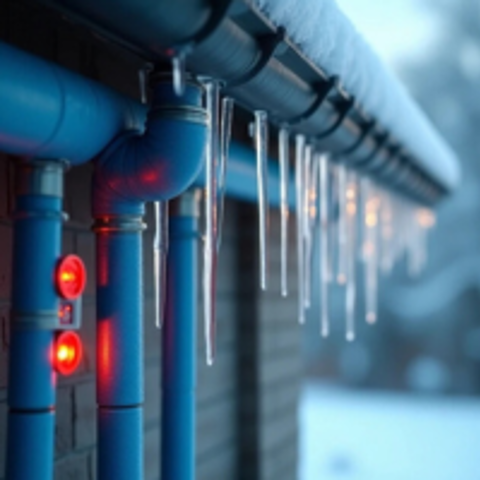
Cold snaps can pose serious challenges for all types of commercial properties, even well-maintained ones. Freezing temperatures, wind, heavy snow, and ice can stress plumbing, roofing, and building systems in ways that are not always obvious right away.
While preparation helps reduce risk, many business owners don’t realize the full extent of cold-weather damage until days or weeks later. Taking the right steps after a freeze can help protect your property, your operations, and your time.
Where Cold Weather Damage Commonly Shows Up
Some of the most costly freeze-related issues do not announce themselves immediately. In commercial buildings, damage often occurs in unoccupied or hard-to-monitor areas.
Common trouble spots include:
- Pipes along exterior walls or in unheated spaces
- Loading docks, garages, mechanical rooms, and bathrooms
- Fire sprinkler lines in areas without consistent heat
- Roof edges, drains, and gutters where ice can build up
These develop quietly and worsen over time if left undiagnosed.
What to Do Right After a Cold Snap
Once temperatures begin to rise, it’s important to inspect your property carefully and deliberately.
Practical steps include:
- Walk the interior of the building and look for leaks, staining, or unusual moisture
- Check ceilings, walls, and floors for signs of water intrusion
- Monitor interior temperatures, especially in low-traffic areas
- Take photos and notes with dates if anything looks out of place
If damage is discovered, documenting conditions before beginning cleanup can help avoid confusion later.
If you have questions about what to document or how to proceed, Sill Public Adjusters can help guide you through the next steps. Call today 844-482-9093.
Why Freeze Damage Can Be Complicated
Cold-weather losses often involve multiple issues: water damage, structural damage, equipment damage, and business interruption.
For many property owners, the most frustrating part isn’t discovering the damage; it’s navigating the insurance process afterward. Freeze-related claims often require:
- Detailed documentation
- Clear timelines
- Thorough explanations of how and when damage occurred
- Mitigation to prevent further damage
Without proper preparation, the process can become time-consuming and difficult to manage alongside day-to-day business operations.
Early support can help streamline the process and reduce unnecessary back-and-forth. Call 844-482-9093 or visit Sill.com today.
Planning for the Next Cold Event
Every cold snap offers lessons for future prevention. After addressing immediate concerns, it’s worth reviewing:
- Which areas were most affected
- How quickly issues were identified
- Whether monitoring or maintenance gaps exist
Many businesses also use this time to update winter response plans and improve internal communication, making future events easier to manage.
Cold weather damage doesn’t always look dramatic, but it can be disruptive, costly, and time-consuming if overlooked. Taking a measured, informed approach after a freeze helps protect your property and keeps your business moving forward.
If your business experienced cold-weather damage or you have questions about how to navigate the insurance process, Sill Public Adjusters is available to help you understand your options and next steps. Call today if your business has been affected by the recent cold snap: 844-482-9093.