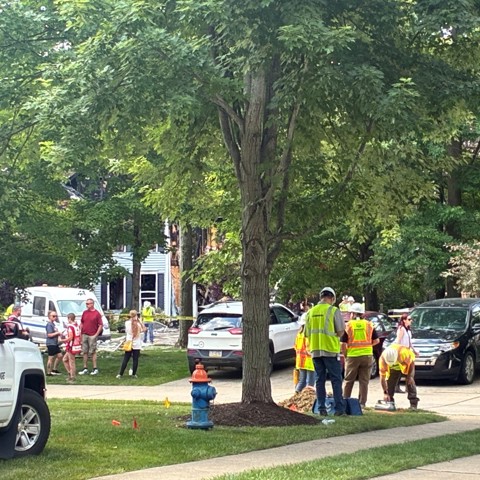
A gas line explosion is one of the most catastrophic events a homeowner can experience. In a matter of seconds, structural integrity is compromised, personal possessions are vaporized, and families are left in emotional and financial shock.
Once the immediate physical danger has passed and emergency services have cleared the scene, a secondary crisis begins: navigating the complex, adversarial process of property restoration and insurance recovery.
Because gas explosions involve unique legal liabilities, municipal investigations, and extensive structural issues, these claims are fundamentally different from standard fire or water losses.
This comprehensive guide outlines the critical steps you must take immediately after an explosion and explains why a licensed public adjuster is vital to securing the maximum settlement you need to rebuild your life.
CRITICAL SAFETY WARNING: If you smell gas (a rotten-egg odor), hear a hissing sound, or suspect a leak, evacuate the area immediately. Do NOT turn electronic switches on or off, light matches, or use a phone inside the structure. Call 911 and your utility company from a safe distance.
Step 1: Prioritize Immediate Safety and Secure Official Clearance
Your absolute priority during and immediately following a gas line explosion is life safety. Do not attempt to re-enter the property to salvage belongings until municipal authorities have explicitly declared the site stable.
-
Evacuate and Establish Distance: Move at least several hundred feet away from the structure. Secondary explosions or localized structural collapses are common.
-
First Responder Coordination: Fire departments, utility teams, and structural engineers will dominate the scene. Ensure you obtain the incident report number or the contact information of the commanding fire official before leaving.
-
Secure the Perimeter: Once cleared by authorities, the property must be secured to prevent looting, liability issues, or further weather-related damage.
Step 2: Understand the Nature of Gas Explosion Insurance Claims
Unlike standard claims, gas explosions involve a complex interplay of property insurance policy language and third-party liability. A typical recovery strategy must evaluate multiple potential sources of compensation:
-
First-Party Property Insurance: Your homeowners policy covers perils such as fire and explosion. This is your primary mechanism for structural rebuilding and temporary living expenses.
-
Third-Party Tort Liability: If the explosion was caused by utility company negligence, faulty appliance manufacturing, or improper contractor installation, a third-party civil lawsuit may run parallel to your insurance claim.
Because millions of dollars are frequently at stake, your insurance provider will immediately deploy a team of corporate adjusters, forensic engineers, and legal counsel. Their objective is to minimize the insurance company’s financial exposure—either by attributing blame to a third party to delay payment, or by undervaluing the true cost of structural remediation.
WHY GAS EXPLOSION CLAIMS ARE DIFFERENT: Standard claims deal with visible damage. Gas explosions generate shockwaves that crack foundations hundreds of feet from the epicenter, warp hidden structural framing, and compromise underground plumbing connections. Standard insurance company adjusters frequently miss these invisible defects.
Step 3: Document Everything (Without Over-Assessing)
When it is safe and legally permissible, meticulous documentation is paramount. However, do not attempt to write complex technical repair estimates yourself, as the insurance carrier may use your unguided assessments against you later.
-
Visual Evidence: Take high-resolution photographs and videos of the exterior, interior, foundation, and surrounding property lines. Capture structural cracks, shifted door frames, and blown-out windows.
-
Preserve Physical Evidence: If a faulty appliance or pipe caused the issue, municipal investigators or forensic engineers will seize it. Document who took what item and obtain chain-of-custody receipts.
-
Track Additional Living Expenses (ALE): If your home is uninhabitable, your policy covers hotel stays, rental homes, meals, and relocation costs. Keep every single receipt organized chronologically.
Step 4: The Role of a Public Adjuster in Your Recovery
Most policyholders do not realize that the insurance adjuster assigned to their case works exclusively for the insurance company. To balance the scales, you have the right to retain a Public Adjuster—a licensed, independent insurance professional who works solely on behalf of you, the policyholder.
Engaging a public adjuster early in a gas line explosion claim is often the deciding factor between a partial denial and a comprehensive, maximum policy payout. Here is how they protect you:
1. Comprehensive Structural Damage Mapping
The concussive force of a gas explosion sends violent shockwaves through a home. While your insurance company might offer to patch damaged drywall and replace broken glass, a public adjuster brings in independent structural engineers to inspect the foundation, load-bearing walls, floor joists, and roof trusses for hidden micro-fractures and displacement.
2. Line-by-Line Itemization of Personal Property
Compiling an inventory of thousands of destroyed personal items is exhausting and emotionally draining. Public adjusters handle this burden entirely, cataloging your possessions, establishing accurate replacement values, and ensuring items are not arbitrarily depreciated by the carrier.
3. Expert Policy Interrogations
Insurance contracts are dense, convoluted legal documents. Public adjusters possess specialized expertise in policy language, helping you maximize your coverage under sections such as Ordinance or Law (which covers the increased cost of rebuilding to meet current municipal codes) and Additional Living Expenses (ALE).
4. Direct Negotiation and Liability Shielding
A public adjuster acts as your exclusive spokesperson. They handle all communications, file all technical paperwork, and meet with the insurance company's representatives at the site. This insulates you from high-pressure negotiation tactics designed to force quick, undervalued settlements.
Property Owner Recovery Timeline
| Phase | Action Items for the Property Owner |
| Immediate (Hours 1–24) | Ensure physical safety, secure emergency shelter, obtain fire department incident number, and avoid making any verbal statements regarding the cause of the explosion. |
| Short-Term (Days 2–7) | Retain a licensed Public Adjuster before signing carrier waivers. Request a certified copy of your full insurance policy. Document all temporary expenses. |
| Mid-Term (Weeks 2–6) | Cooperate with independent engineers retained by your public adjuster. Validate that the site is properly mitigated against weather and collapse. |
Navigating the Path Forward
Recovering from a residential gas line explosion is a marathon, not a sprint. The structural remediation alone can take months, and resolving the financial claims can take even longer. Attempting to manage a major property damage claim of this magnitude while managing family dislocation is a recipe for severe stress and financial loss.
By hiring an experienced public adjuster, you shift the burden of proof, valuation, and negotiation from your shoulders to a seasoned professional. This ensures your home is rebuilt safely, your financial rights are protected, and you receive every dollar you are entitled to under your policy contract.