A single burst pipe can flood your home with 250 gallons of water each day. Your frozen pipes need more than just a quick fix—they need protection from devastating water damage.
Most homeowners never think about their plumbing until something goes wrong. The moment you notice your water pressure dropping, you're already dealing with a problem that could turn into a costly emergency. You'll find everything you need here to safely thaw frozen pipes and stop the problem before it starts.
This piece shows you why pipes freeze and helps you spot weak points in your home. You'll learn ways to prevent problems and handle emergencies when temperatures drop. It also guides you through essential steps if your pipes freeze or burst.
Winter is coming, and your home's plumbing system needs to be ready for whatever this winter throws at it.
Understanding Frozen Pipe Risks
Frozen pipes can cause severe damage to your property in winter if you don't act quickly. You need to know how frozen plumbing works and what risks it poses. This knowledge will help protect your home from this typical cold-weather emergency.
Why Pipes Freeze in Winter
Water inside pipes will become solid when temperatures fall below the freezing point. The science is simple—water expands by about 9% when it freezes. This creates massive pressure inside pipes, exceeding 2,000 pounds per square inch. Even the strongest metal pipes can crack under this pressure. The pipe usually bursts at its weakest point.
Most Vulnerable Areas in Your Home
Your home's pipes don't all face the same risk. These areas need the most attention:
- Pipes in unheated spaces (attics, basements, garages)
- Plumbing in exterior walls with insufficient insulation
- Water supply lines in crawl spaces
- Outdoor faucets and irrigation systems
These pipes lack heat from your home's heating system, so they freeze first.
Signs of Freezing Pipes
You can save thousands in repair costs by spotting problems early. Look out for these warning signs:
- Reduced water flow from faucets
- Strange odors coming from drains
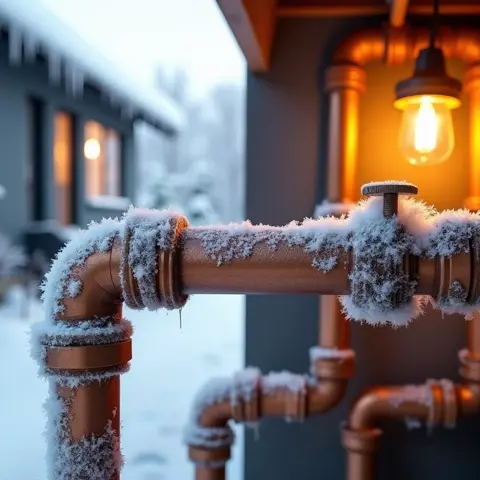
- Frost visible on exposed pipes
- Unusual sounds when using water fixtures, such as whistling or banging
Your pipes might be next if your neighbors report frozen pipe problems.
What Burst Pipes Can Damage
A burst pipe creates problems that go way beyond the original leak. One burst pipe releases hundreds of gallons of water each day. This leads to immediate flooding and structural damage to your home. Water soaks into walls, ceilings, and floors. Mold starts growing within 24–48 hours. Water can damage electrical systems and pose safety risks.
Insurance issues often add to these problems. Most policies cover burst pipe damage with several contingincies. They may reject claims if you left your home unheated or unoccupied for too long, or if you didn't properly maintain your pipes.
Preventative Measures Before Winter
The best way to avoid frozen pipes is to take action before winter hits. You know what they say—an ounce of prevention is worth a pound of cure—and this rings true when you need to protect your home's plumbing from freezing temperatures.
Insulating Exposed Pipes
Sound insulation is your first defense against frozen pipes. You should use foam pipe insulation sleeves on exposed pipes in unheated areas, such as basements, attics, and garages. Heat tape or thermostatically controlled heat cables work great for vulnerable pipes in icy regions. The insulation helps retain heat and provides better protection for your pipes when temperatures drop.
Sealing Cracks and Openings
Frozen pipes often occur when cold air gets in. Before winter arrives, check your home for cracks near plumbing lines—pay special attention to areas around dryer vents, electrical wiring, and pipe entries. Use caulk or insulation to seal these openings and keep cold air away from your pipes. This step will also help your home stay energy efficient.
Proper Thermostat Settings
Maintaining consistent heat throughout your home is essential during cold weather. Keep your thermostat set at 55°F or higher, especially when you’re away. The cost of steady heating is minimal compared to the potential damage and expenses caused by burst pipes and water loss. If you plan to be away for an extended period during the winter months, consider using water detection monitors, app-based thermostats, and other safety tools to help protect your property.
Outdoor Faucet Protection
Your outdoor water systems need extra care. Start by disconnecting and draining all garden hoses, then store them inside. Next, turn off the indoor valves that supply outdoor faucets, then open the outdoor faucets to drain any remaining water. Add insulated faucet covers to your outdoor spigots for extra protection.
Smart Water Monitoring Systems
Technology offers innovative solutions to protect your pipes. Smart water monitoring systems can spot unusual water flow patterns and temperature drops, sending alerts right to your phone. Some advanced systems will even automatically shut off your water supply when they detect issues, which could save you thousands in water-damage repairs.
Emergency Actions During Cold Snaps
Even with complete preparation, sudden cold snaps can catch us off guard. Your home might face a plumbing disaster during extreme weather unless you act quickly.
Opening Cabinet Doors
Cold temperatures make it essential to open kitchen and bathroom cabinet doors. Warm air needs to circulate plumbing fixtures, especially when pipes are attached to exterior walls. Keep your garage doors closed if water supply lines run through this area.
Allowing Faucets to Drip
Let vulnerable pipes run a small trickle of water to prevent freezing. Your water bill might go up a bit, but the cost is nowhere near what you'd pay to repair water damage from burst pipes.
Maintaining Consistent Heat
Your home's temperature should stay at least 55°F around the clock during severe cold. Your plumbing system could face disaster if you lower the thermostat at night, despite popular belief. Someone should check regularly on vacant properties during the winter months.
How to Help Pipes Unfreeze Safely
You need to act right away if you find a frozen pipe:
- Leave the faucet open while thawing begins
- Use gentle heat with warm water-soaked towels, heating pads, or hair dryers - Stay away from open flames or high-heat devices
- Keep going until the water pressure returns fully
When to Call a Professional
A licensed plumber should help immediately if the frozen section remains hidden, you can’t reach the pipe, thawing attempts fail, or cracks or leaks appear. Turn off your main water supply right away if pipes burst.
If you’re unsure whether a frozen pipe has already burst or you’re dealing with ongoing water damage, speaking with a licensed public adjuster early can help protect your insurance claim. Sill Public Adjusters assist homeowners in understanding coverage, documenting losses, and avoiding costly mistakes. For guidance, call 844-650-7455.
Responding to Frozen or Burst Pipes
A pipe disaster can strike at any time, and your quick response makes all the difference between a minor problem and devastating damage.
Documenting Damage for Insurance
Complete documentation helps strengthen your insurance claim. Take clear photos and videos of all damaged areas, and carefully track repair costs.
Proper documentation plays a significant role in the outcome of a water damage claim. Sill Public Adjusters work exclusively for homeowners—not insurance companies—to ensure damage from frozen or burst pipes is fully documented and fairly valued. If you need help navigating the claims process, call 844-650-7455.
Thoughtful planning and quick action during cold weather can save thousands in water-damage repair costs: insulation, consistent heating, and fast response matter.
If your home has suffered water damage due to frozen or burst pipes, Sill Public Adjusters can help you pursue the insurance settlement you’re entitled to. Call 844-650-7455 to speak with a professional.